
Smart classrooms in schools integrate technology into the learning environment to enhance teaching and learning. They use digital tools and resources to create a more interactive, engaging, and modern learning experience.
Purpose of Smart Classes
- To integrate technology with traditional teaching methods
- To make complex concepts easier to understand through visuals and animations
- To enhance student engagement and participation in the classroom
- To provide equal access to quality content, especially for students in rural areas
Features of Smart Classrooms
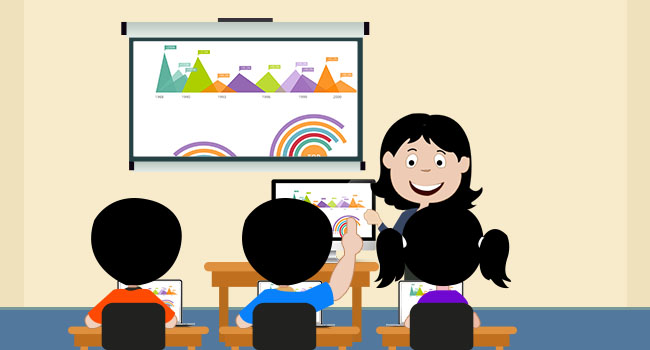
- Interactive whiteboards or digital screens for multimedia presentations
- Access to pre-loaded educational content including NCERT videos, animations, quizzes, and simulations
- Use of platforms like DIKSHA, E-Pathshala, and SWAYAM to supplement classroom learning
- Subject-specific modules in Science, Mathematics, Social Science, and Languages
- Availability of audio-visual teaching aids for students with different learning styles
Benefits - Enhances understanding and retention through visual learning
- Boosts interest in subjects, especially science and mathematics
- Makes lessons more inclusive and accessible to all students
- Develops confidence and curiosity among learners